One of the most common mistakes recreational bettors make every September is backing preseason favorites as if the regular season has begun. A team like the Warriors, Nuggets, Suns, or Bucks might be a playoff powerhouse in November through April, but preseason basketball follows an entirely different logic, and the market often fails to reflect that.
For starters, preseason favorites almost always get priced based on brand strength, not rotational strength. Books know casual bettors gravitate toward big names, so they shade lines toward the star-driven team even when that team plans to play its starters for 10–12 minutes. Meanwhile, the underdog often plans to give 25–30 minutes to their starters spread across the first three quarters.
The result is predictable: heavy preseason favorites fail to cover. It’s not uncommon to see a -6 favorite losing outright by double digits once the second half arrives and both benches enter full-time.
The second factor is experimentation. Preseason favorites often use these games to test rookie combinations, defensive schemes, or alternative spacing lineups. Coaches aren’t trying to win — they’re trying to gather information. Underdog teams, especially those with young rosters, simply treat the games with more urgency.
Injuries and minutes restrictions also play a role. Star players in preseason rotations see their minutes capped regardless of game flow. Even if a favorite is losing, the starters won’t return to “save” the game.
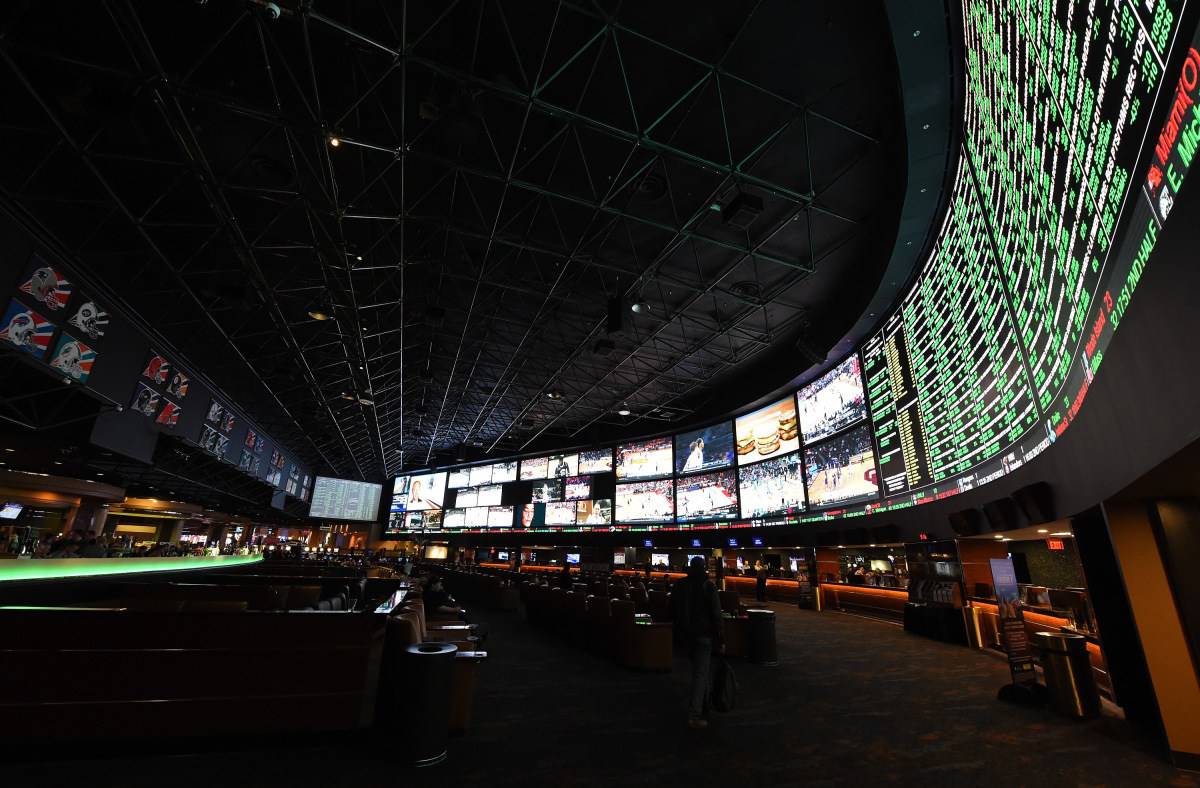
Because sportsbooks know the public overvalues favorites, they inflate lines by one to three points. This creates a consistent edge for bettors fading favorites.